


Events
Careers in Science Policy: A conversation with Kei Koizumi
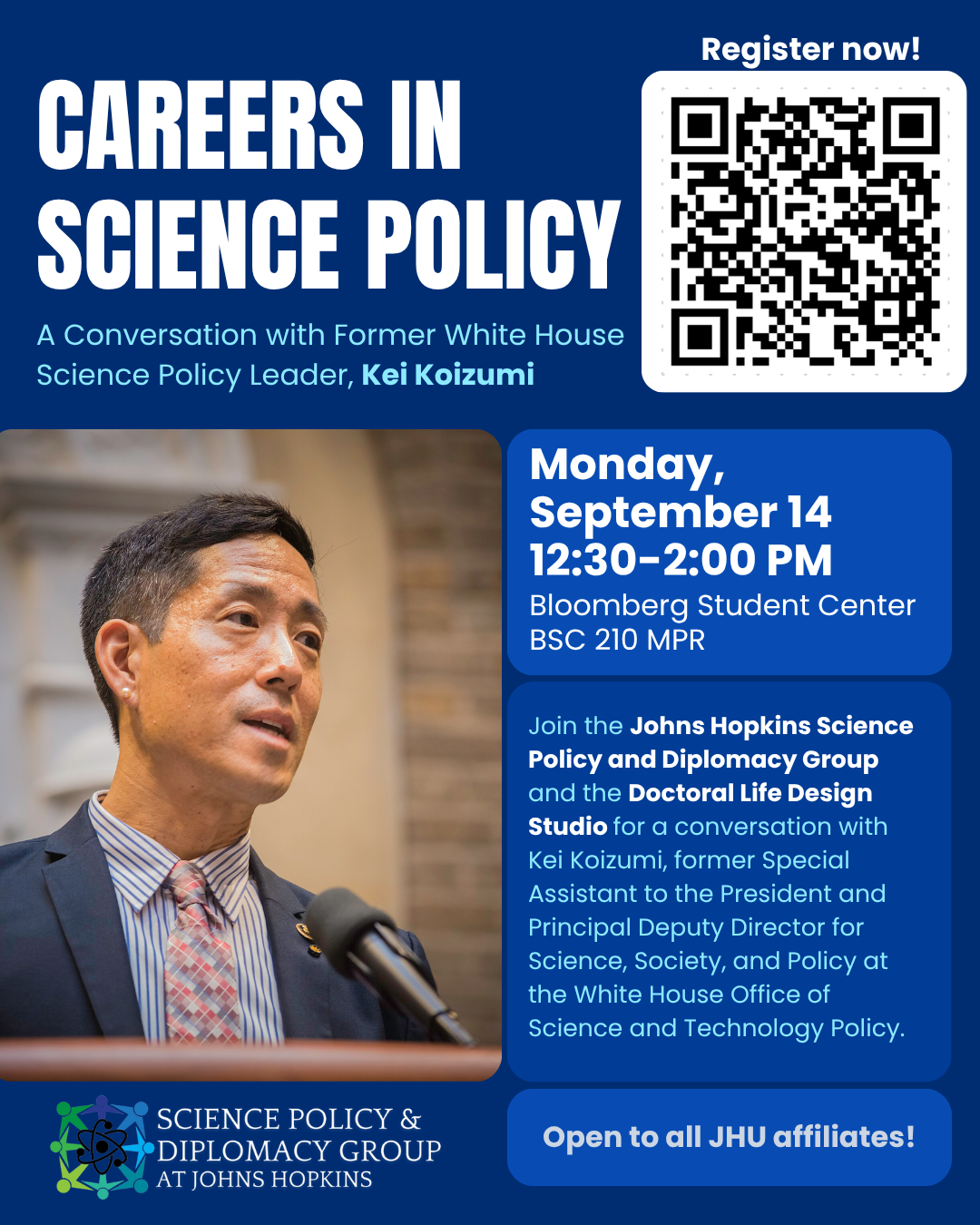
September 14, 2026
12:30 pm EDT
Room 210 Bloomberg Student Center
Join the Johns Hopkins Science Policy and Diplomacy Group and the Doctoral Life Design Studio for a conversation with Kei Koizumi, former Special Assistant to the President and Principal Deputy Director for Science, Society, and Policy at the White House Office of Science and Technology Policy (OSTP).
Koizumi will share his career path and experiences working in science and technology policy, giving participants an inside look at careers in the field. He’ll also discuss science diplomacy, advocacy for federal research funding, and the ongoing importance of inclusion and access in STEM. The conversation will be followed by audience Q&A. Lunch will be provided.
Updates
New leadership board members!


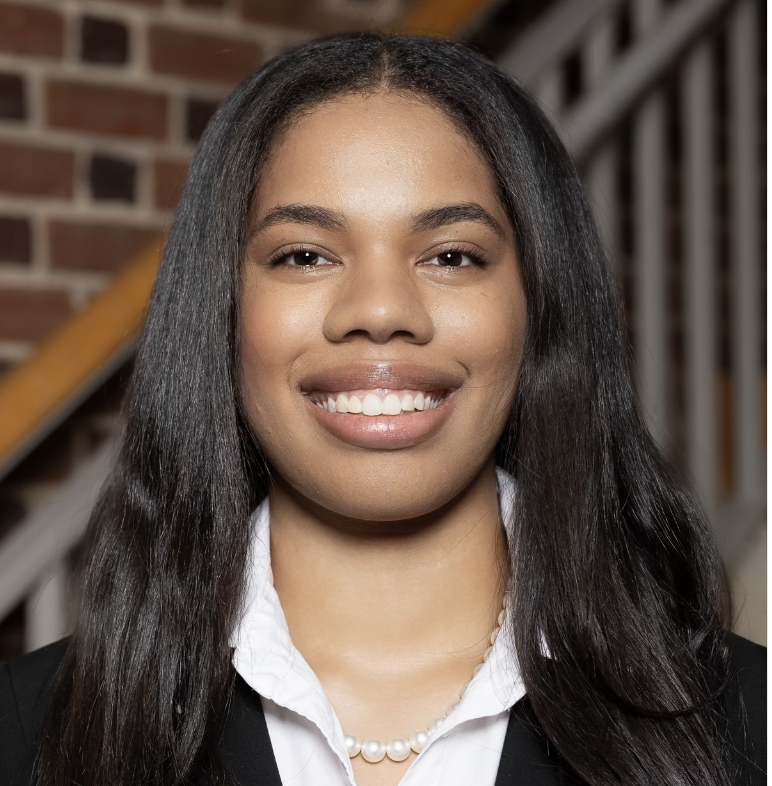
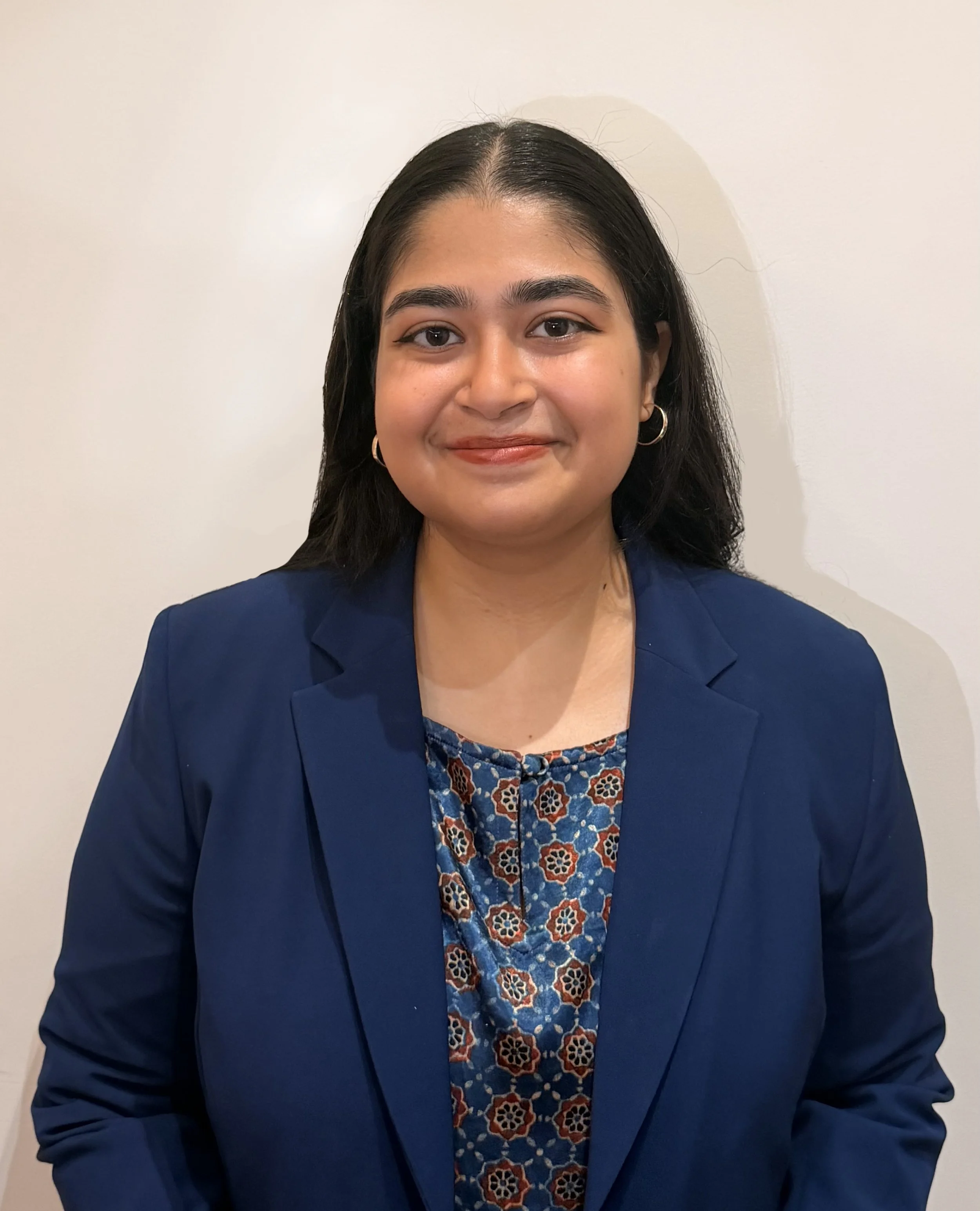

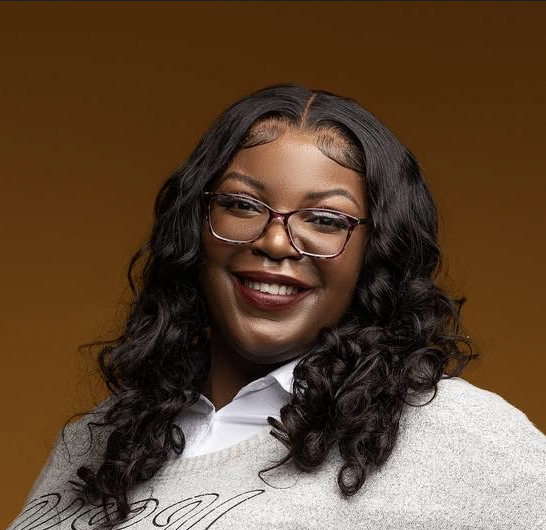

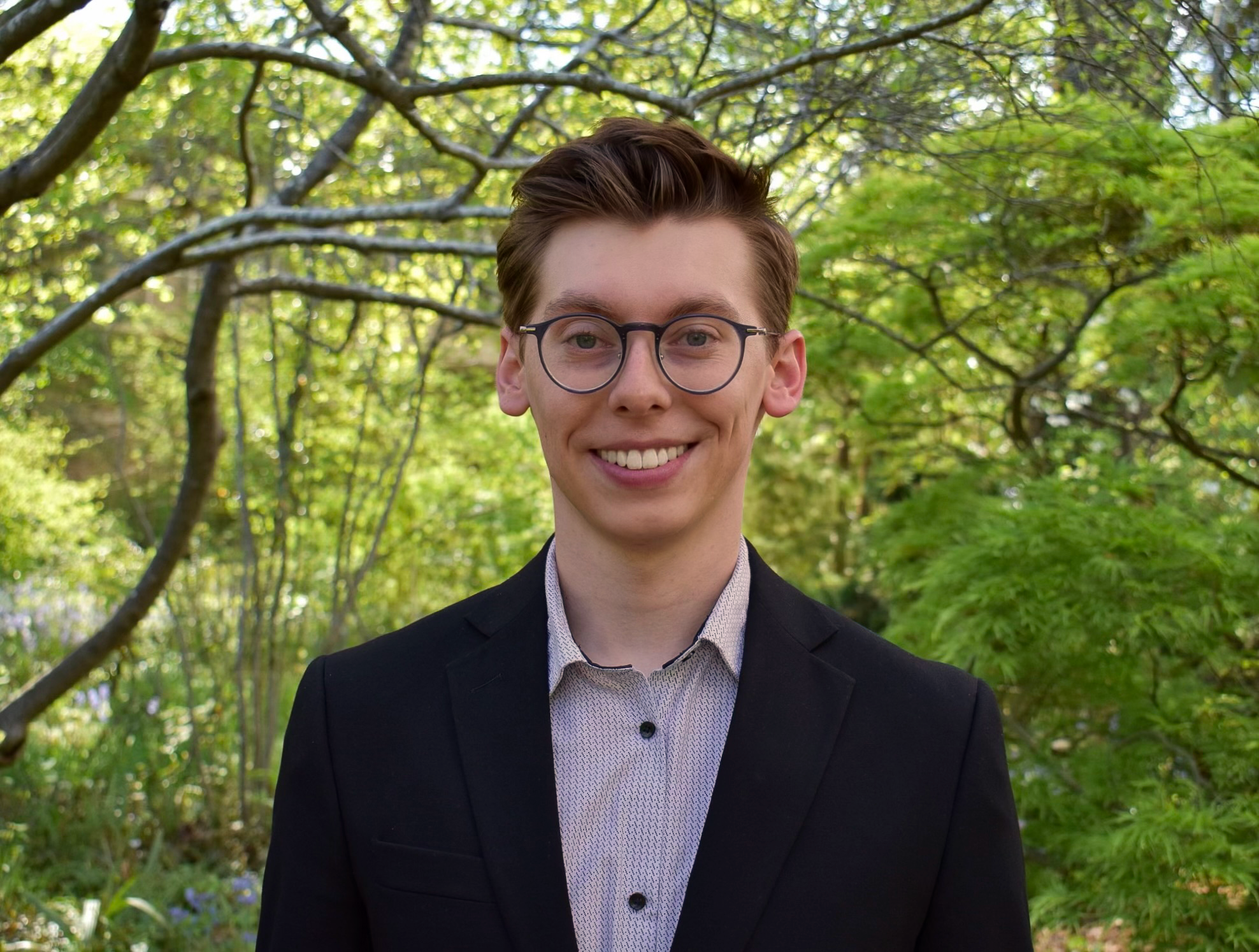
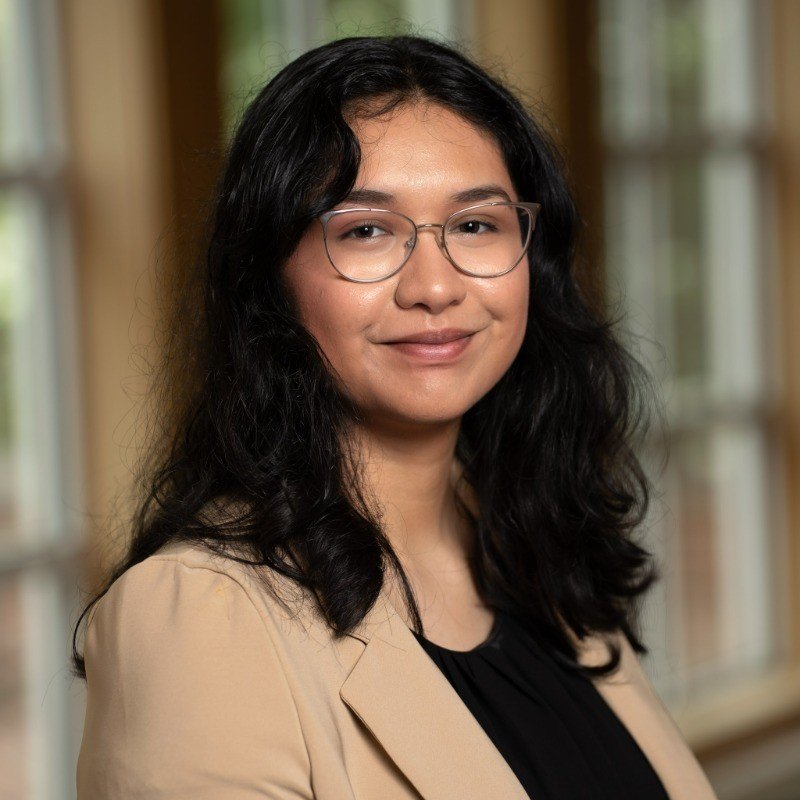
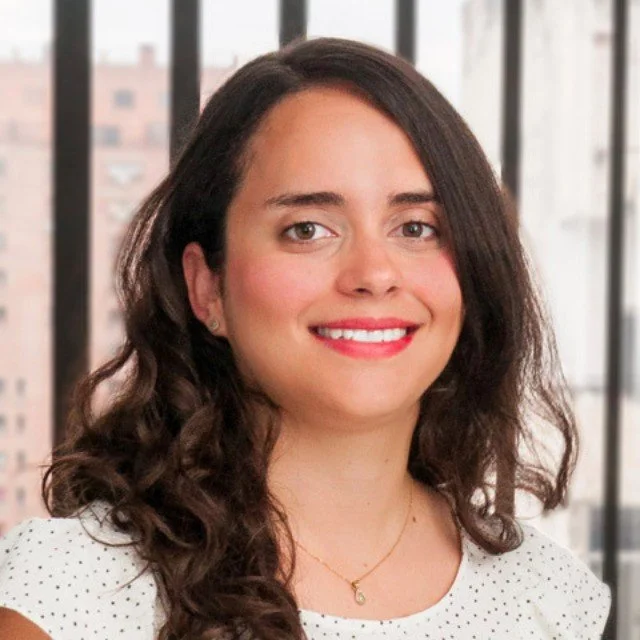
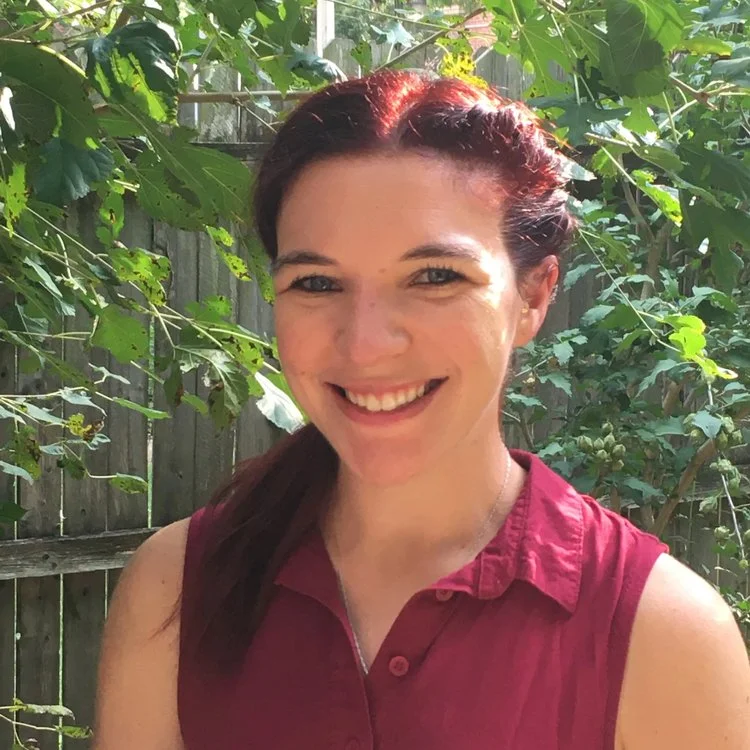
Congratulations to our newly elected board members! Visit our Leadership page to learn more about their backgrounds, experiences, and the expertise they bring to our group.
SPDG 2026-27 Leadership board applications

The Science Policy and Diplomacy Group at Johns Hopkins (SPDG) is looking for highly motivated and independent graduate students interested in science policy and diplomacy issues. SPDG is focused on advocating for data-driven science policy and diplomacy initiatives as well as connecting current graduate students with these issues and related career resources.
Available positions include Science Policy Coordinator and Science Diplomacy Coordinator with multiple openings for each role. No prior experience in science policy, diplomacy, or communication is required. This is an excellent opportunity to engage with issues shaping science at the university, state, federal, and international levels.
Applications are due September 25, 2026, and additional details about responsibilities are available in the application form. Applicants selected for the next stage will be invited to brief virtual interviews in September and October.
Email Andrew Mattson at amattso1@jhu.edu if you have any questions! We would be happy to discuss the positions and responsibilities further over email, Zoom, or in-person if that would be helpful.
Blog posts
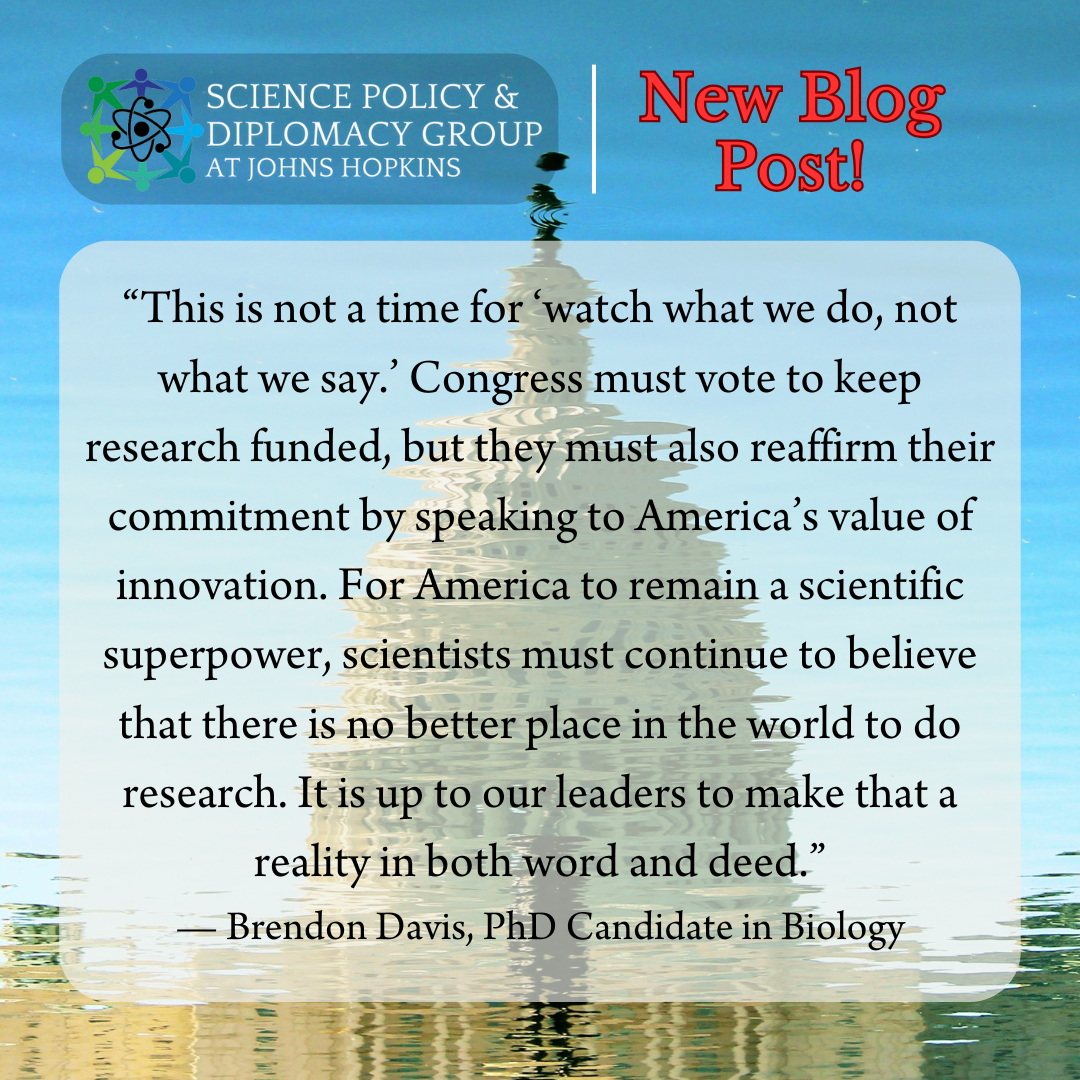
The Trump administration’s false promise of a scientific ‘golden age’

As federal agencies shift funding priorities and turn toward private models of research funding, scientists must confront a problem of their own.
In their guest commentary in The Baltimore Sun, Brendon Davis and Andrew Mattson discuss how addressing the erosion of trust in science requires revision of the current funding structures and focusing on how the scientific community communicates its work, engages with the public, and demonstrates its value to society.
Interested in writing for the blog?
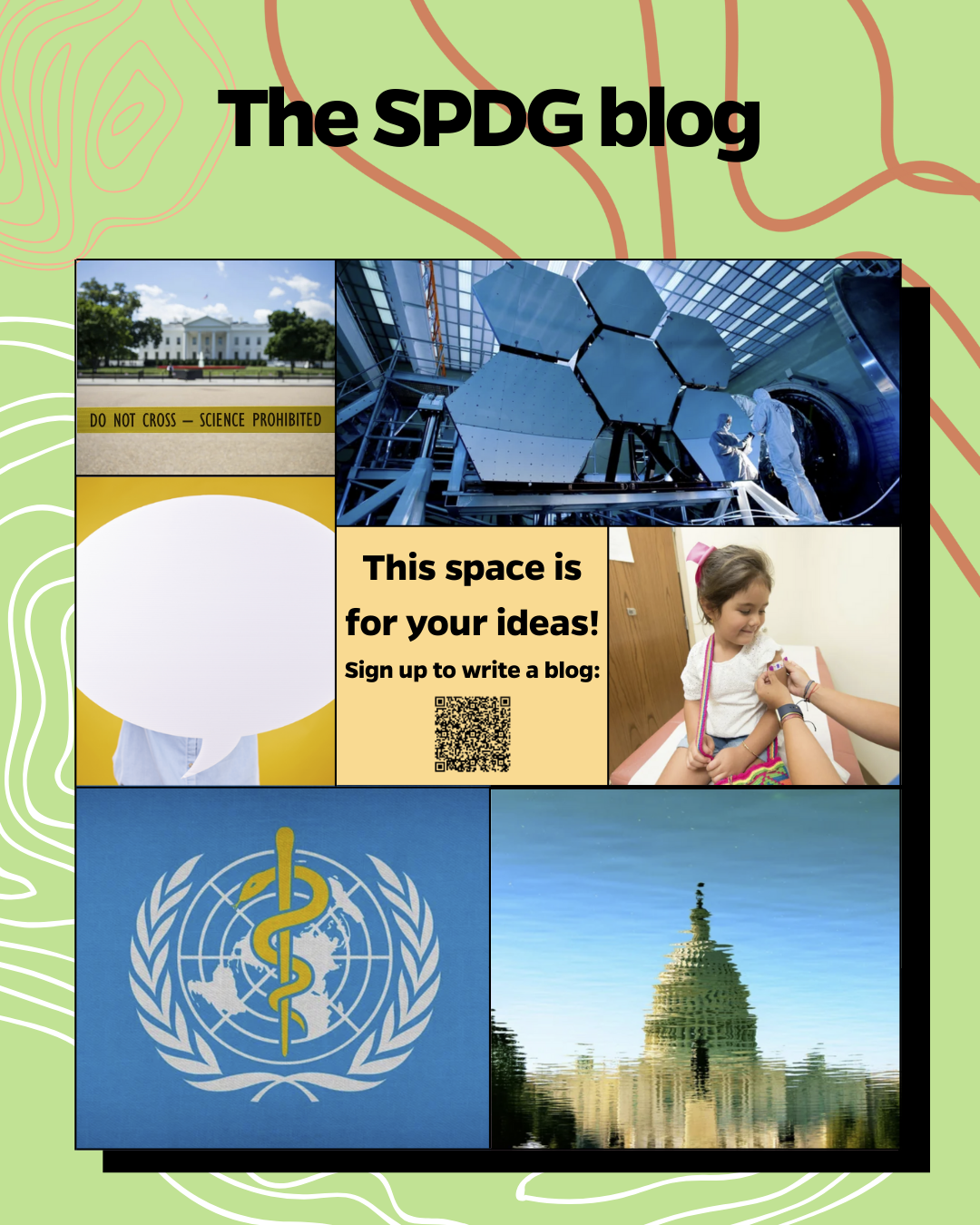
Interested in writing about science policy? You can contribute a blog on policy topics related to your research or any area of science policy that excites you. Our editors will support you throughout the process. If you’d like to get involved, submit a blog idea through the form!
Additional opportunities
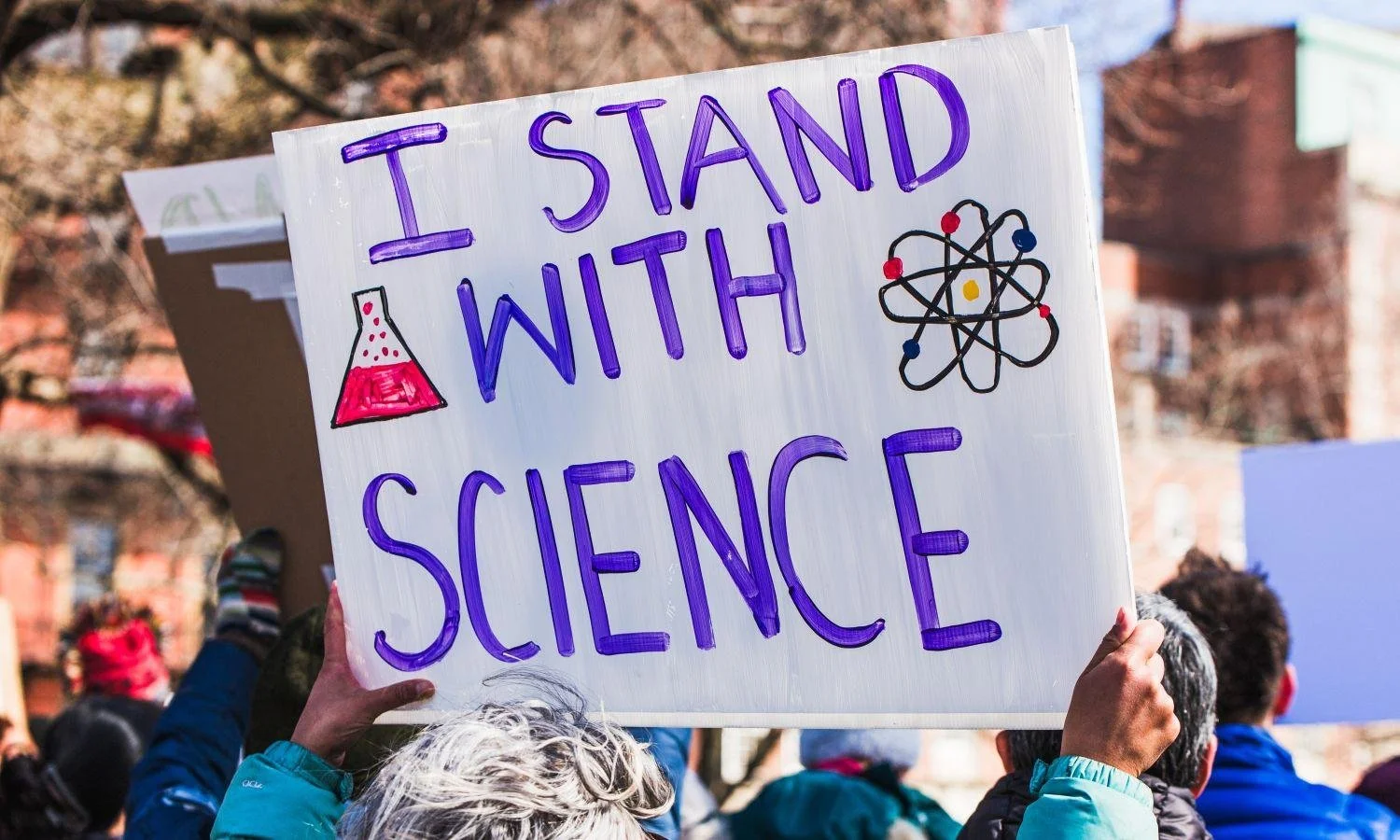
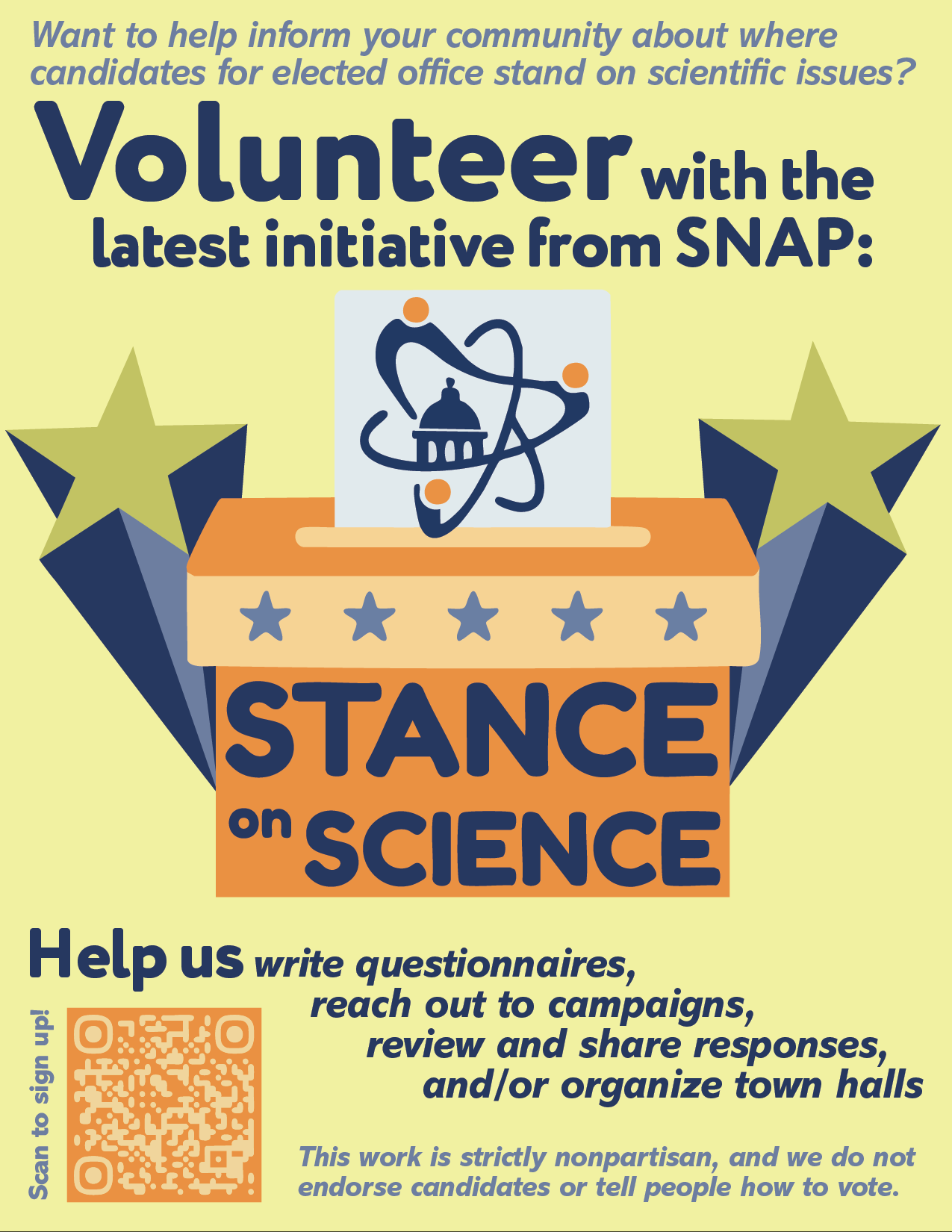
Stance on science
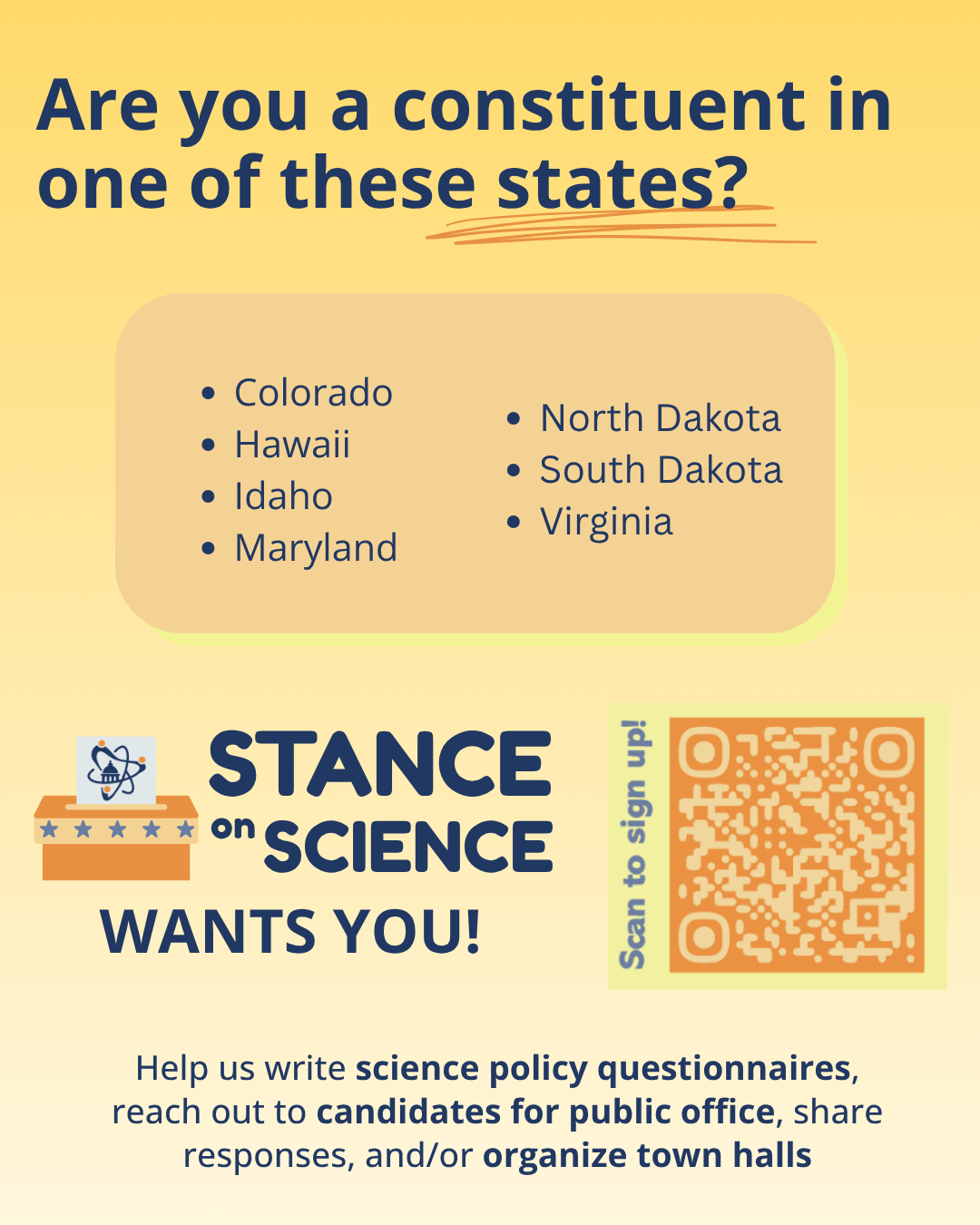
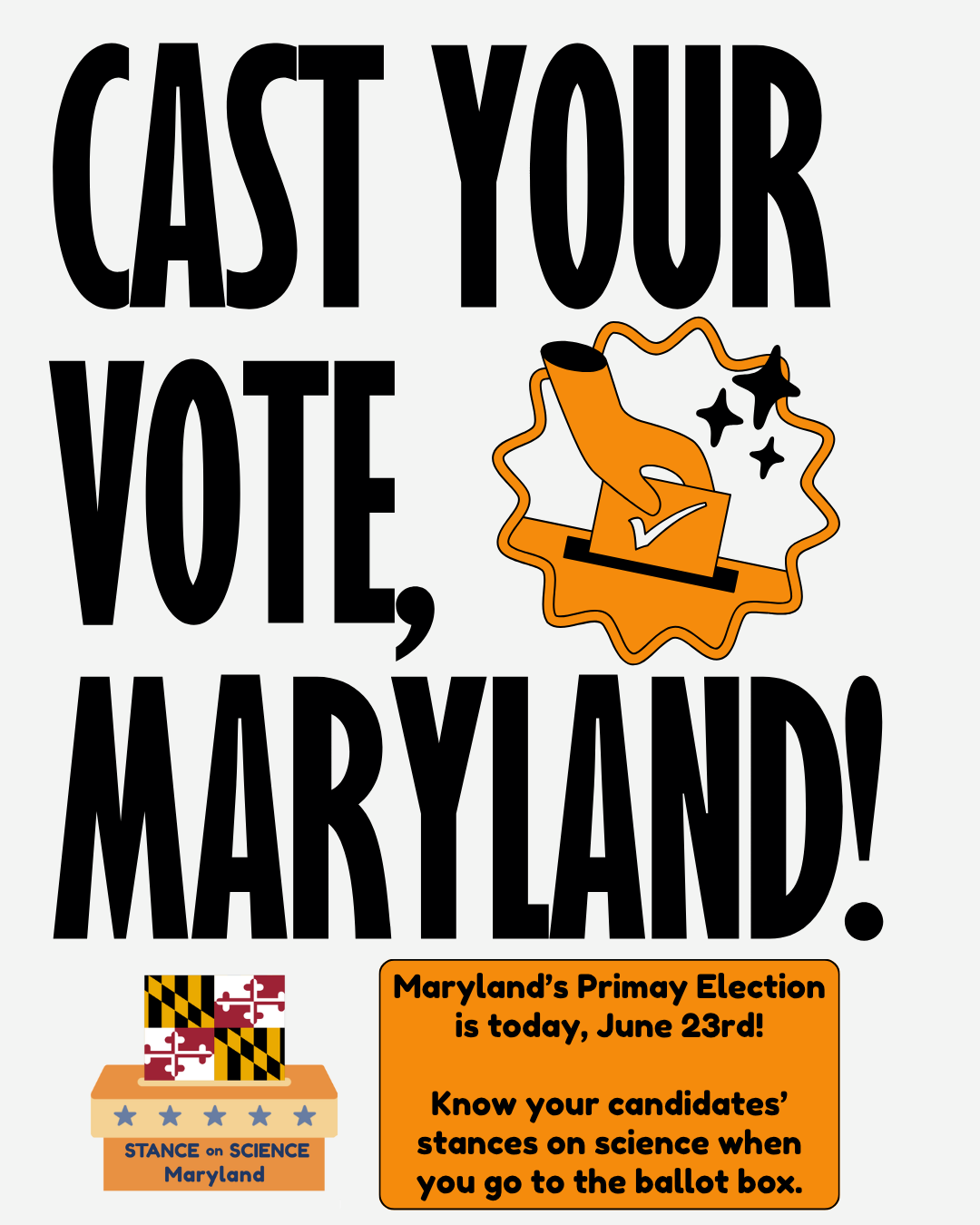
The Stance on Science team has compiled information regarding the candidates’ positions on science policy to help voters make informed decisions. Follow them on Instagram and Medium to stay updated.
In addition, sign up to be a state volunteer and help ensure science guides policy in the 2026 midterm elections.
Internships and fellowships
| Program | Eligibility | Deadline |
|---|---|---|
| NNSA Graduate Fellowship Program | Masters, PhD candidate, Doctoral degree. | October 02, 2026 3:59 PM PDT |
| AAAS Science & Technology Policy Fellowships | Masters, Doctoral degree. (Check website for more details) |
November 01, 2026 11:59 PM EDT |
American Mathematical Society(AMS) Congressional Fellowship | Doctoral Degree. | February 01, 2027 |
| DOE-STP Office of Policy Fellowship Opportunity | Bachelor's Degree, Master's Degree, or Doctoral Degree. | Rolling |